Introduction to NGO Website Design
In today’s digital age, a modern and responsive website is essential for non-governmental organizations (NGOs) that focus on social welfare, community development, and education. A well-designed website serves as a platform for outreach and engagement, making it easier to connect with supporters and beneficiaries. This article describes key elements required to design a successful NGO website, inspired by the features of the Magnolia Trust.
Key Features of an Effective NGO Website
When creating an NGO website, consider incorporating a clean and modern design that reflects the organization’s mission. Essential sections include:
- Home: A welcoming homepage that highlights your mission and recent initiatives.
- About Us: A detailed page that explains the NGO’s background, objectives, and team.
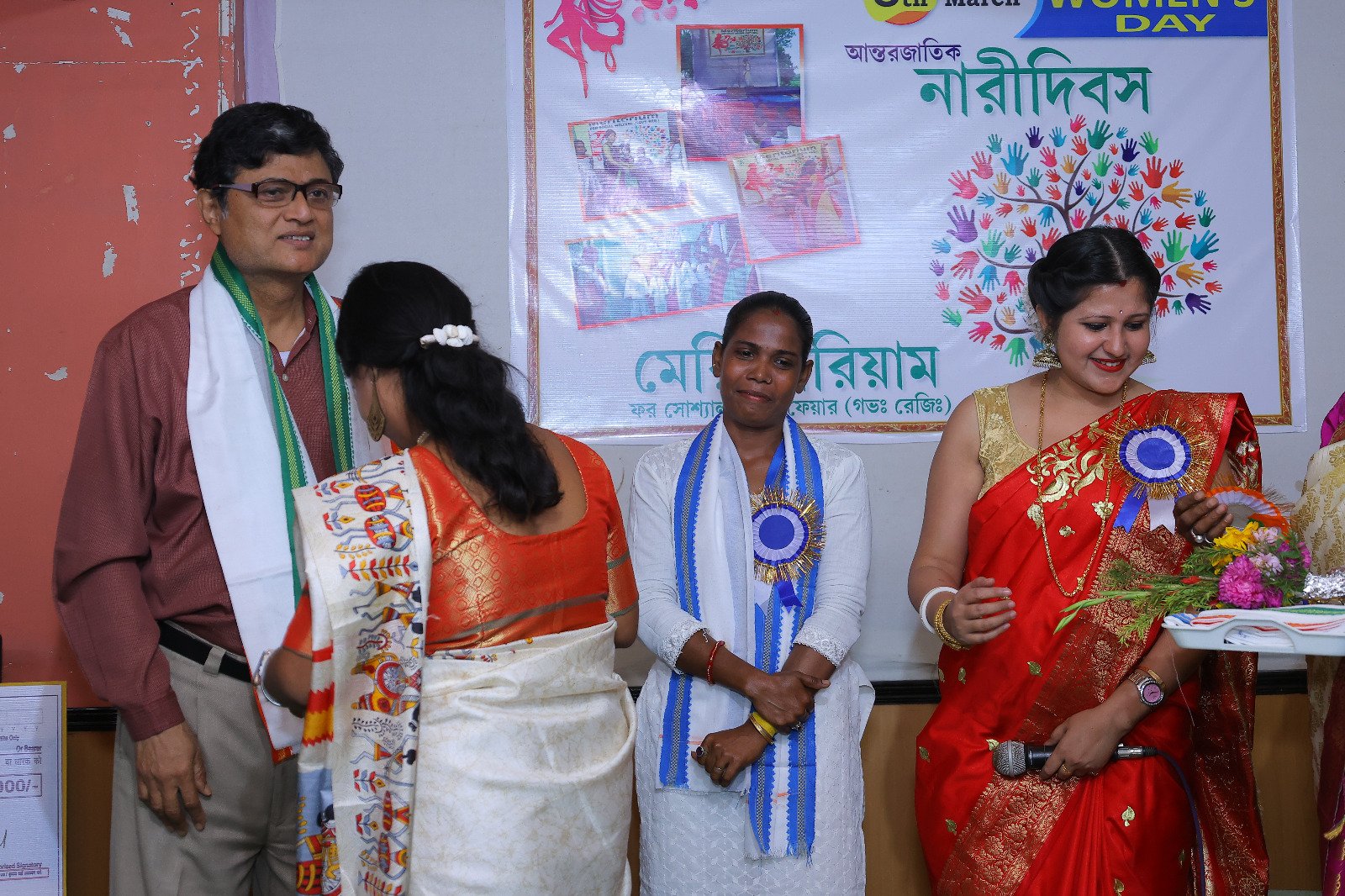
- Gallery: A visual showcase of your work, providing emotional context through images and videos.
- Our Services: Clear descriptions of services provided, such as healthcare and education programs.
- Blog: A space for sharing news, success stories, and updates that engage your audience.
- Contact Us: A page that includes a contact form for inquiries and information on how to get involved.
Responsive Design and Accessibility
It’s crucial for NGO websites to be responsive, ensuring compatibility with various devices, including smartphones and tablets. Furthermore, adhering to web accessibility standards allows all users, including those with disabilities, to access your content. Building an accessible website will enhance user experience and broaden your reach within the community.
By following these guidelines, you can create a modern NGO website that is not only functional but also resonates with your audience, reinforcing your commitment to social welfare and community development.